What Is a Traditional Chinese Massage?
Introduction
Traditional Chinese Massage (TCM), also known as Tui Na, is a therapeutic massage approach rooted in Traditional Chinese Medicine and has been practiced for thousands of years.
It uses manual techniques such as acupressure, rhythmic movements, and soft tissue manipulation to support circulation, reduce tension, and promote balance within the body.
At our clinic, Traditional Chinese Massage is commonly chosen by clients experiencing muscle tightness, stress, fatigue, headaches, or tension related to posture and lifestyle.

What Is Traditional Chinese Massage (TCM)?
Traditional Chinese Massage is a therapeutic bodywork technique based on Traditional Chinese Medicine principles.
It focuses on stimulating the body’s meridian pathways, which are believed to carry vital energy (Qi) throughout the body.
Traditional Chinese Massage aims to:
- Encourage the smooth flow of Qi and blood
- Reduce physical tension and stiffness
- Support overall balance and wellbeing
- Address both physical and stress-related discomfort
This approach is hands-on and dynamic, using techniques adapted to the client’s needs rather than a one-size-fits-all method.
How Traditional Chinese Massage Works
Traditional Chinese Massage works by combining manual therapy with meridian-based assessment.
From a Traditional Chinese Medicine perspective:
- Blockages or imbalances in energy flow may contribute to discomfort or tension
- Stimulating specific points and pathways helps restore balance
From a physiological perspective:
- Manual pressure improves circulation
- Muscle tension and soft tissue restrictions are reduced
- Nervous system activity is supported toward relaxation
This integrated approach allows Traditional Chinese Massage to address both local muscle tension and broader patterns of stress in the body.
Techniques used during a Traditional Chinese Massage?
Acupressure Point Stimulation
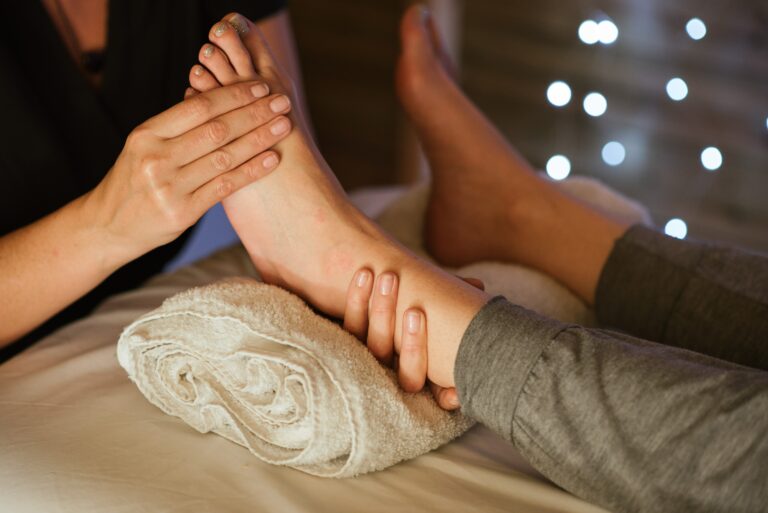
Specific acupoints along meridians are stimulated using fingers, thumbs, or palms to support circulation and energy flow.
Tui Na Manipulation
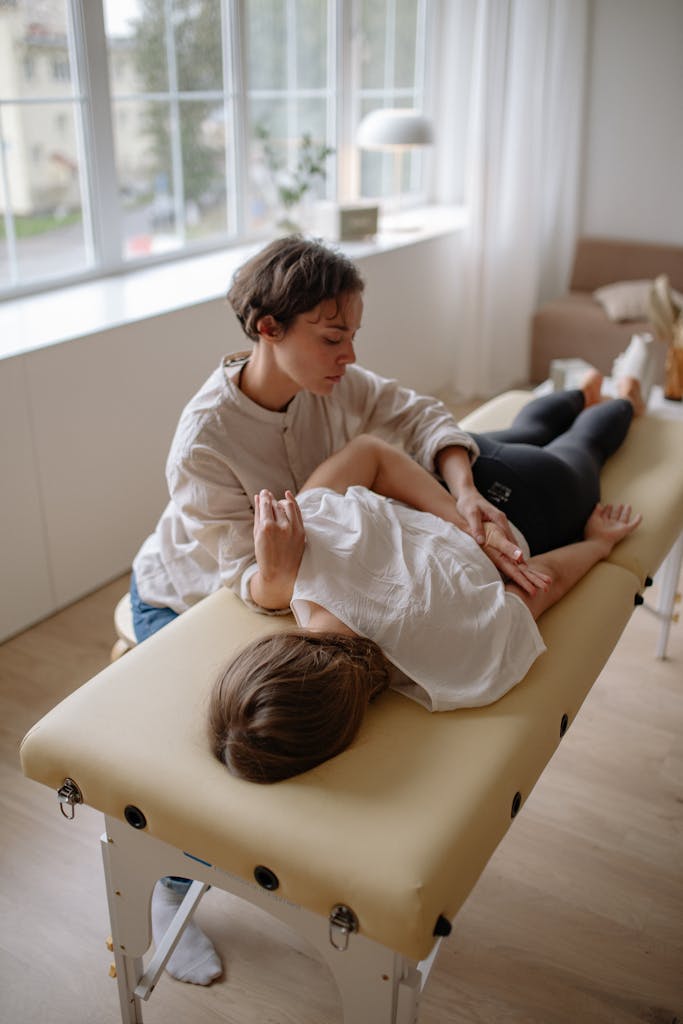
Rhythmic pushing, rolling, and kneading techniques are applied to muscles and joints to release tension and improve mobility.
Tapping and Percussion Techniques
Gentle tapping with fingertips or knuckles helps stimulate muscles and refresh circulation.
Mind–Body Relaxation
Breathing guidance or mindful awareness may be incorporated to support relaxation of both body and mind.
Case Study: Tension, Headaches, and Work-Related Stress
Client profile:
- Age: mid 30s
- Main concerns: neck and shoulder tension, recurring headaches
- Lifestyle factors: long hours at a desk, high mental workload
Treatment approach:
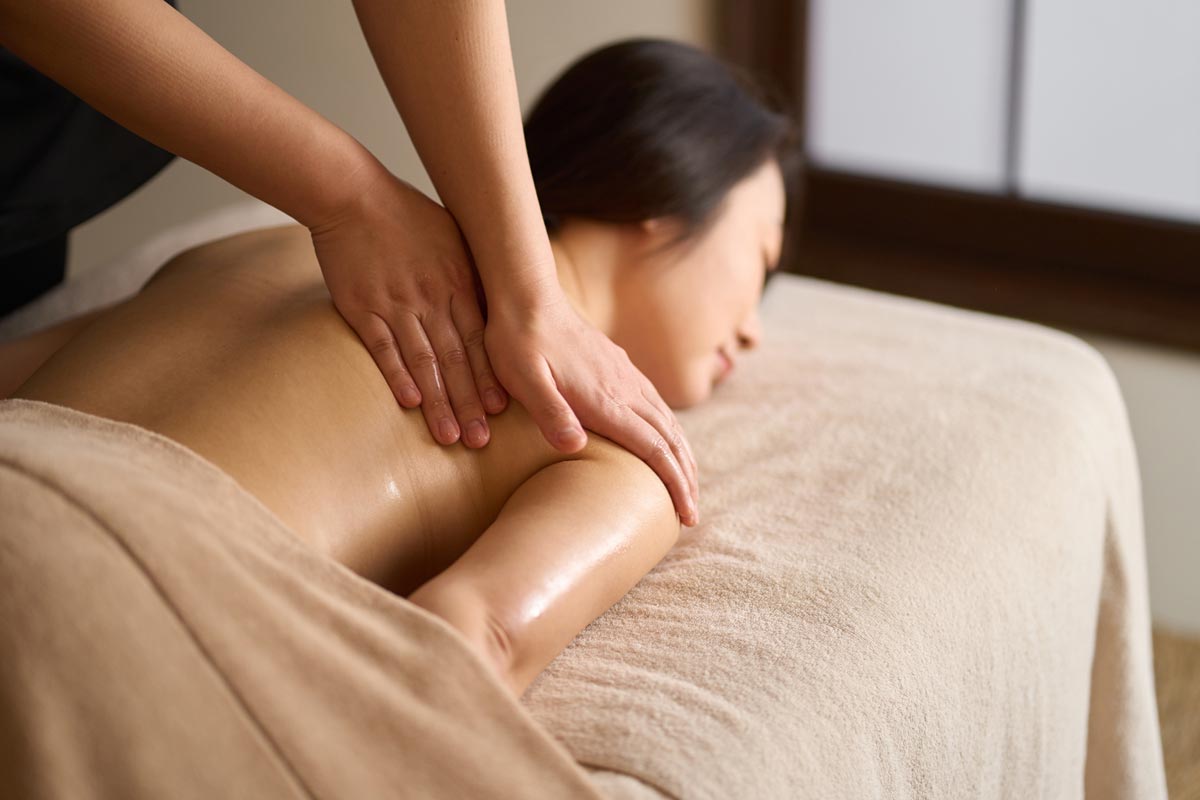
A 60-minute Traditional Chinese Massage session focused on the neck, shoulders, upper back, and related meridian pathways. Acupressure points were used alongside rhythmic Tui Na techniques to release tension and encourage relaxation.
Outcomes reported by the client:
- Reduced neck and shoulder tightness
- Fewer headache symptoms over the following days
- Improved sense of relaxation
- Greater awareness of posture and tension patterns
This reflects common clinical observations that Traditional Chinese Massage can be particularly helpful when tension is linked to stress and sustained posture.
Evidence-Informed Benefits of Traditional Chinese Massage
Muscle Tension and Pain Relief
Manual therapies such as acupressure and soft tissue manipulation have been shown to help reduce muscle stiffness and discomfort by improving circulation and tissue mobility.
Stress Reduction
According to https://www.healthline.com/health/massage-therapy Massage therapy has been associated with reduced stress hormone levels and increased parasympathetic (rest-and-digest) nervous system activity.
Improved Circulation
Rhythmic manual techniques help support blood flow, aiding oxygen and nutrient delivery to tissues. When applied to the scalp, this can help support hair growth.
Headache and Neck Tension Support
Research suggests that massage-based interventions may help reduce tension-type headaches and neck-related discomfort.
Overall Wellbeing
Clients often report improved mood, reduced anxiety, and a greater sense of physical and mental balance following treatment.
Who Is Traditional Chinese Massage Best For?
Traditional Chinese Massage is suitable for:
- People with muscle tightness or stiffness
- Clients experiencing stress or fatigue
- Those with posture-related tension
- Individuals seeking a holistic, body-based approach
- Clients wanting therapeutic massage without excessive pressure
Is Traditional Chinese Massage Safe?
Traditional Chinese Massage is generally safe when performed by a trained therapist.
It may not be suitable for individuals with:
- Acute injuries or inflammation
- Severe circulatory conditions
- Skin infections
- Certain medical conditions
Treatment techniques are always adapted to the client’s comfort and health status.
What to Expect During a Session
- Treatment is tailored to your individual needs
- Pressure ranges from gentle to moderate
- Focus may include specific areas or full-body work
- Sessions typically last 60–90 minutes
Conclusion
Traditional Chinese Massage is a time tested, therapeutic approach that supports muscle relaxation, stress reduction, and overall balance.
By combining manual techniques with Traditional Chinese Medicine principles, it offers a holistic option for those seeking natural support for physical and emotional wellbeing.
Try out our traditional Chinese Massage at https://bodyhavenmassage.com/